Tag: Psychology

Tagore’s The Postmaster: a story about being left behind
The Postmaster by Rabindranath Tagore is twelve pages long. Twelve pages. Written in 1891. And yet here you are, years after Class 9, still thinking about Ratan standing in a doorway. Still thinking about a lamp being lit in the dark. Still thinking about a girl who refused the money. That is not an accident.…
Dire Wolf: the resurrection that is not quite what it seems
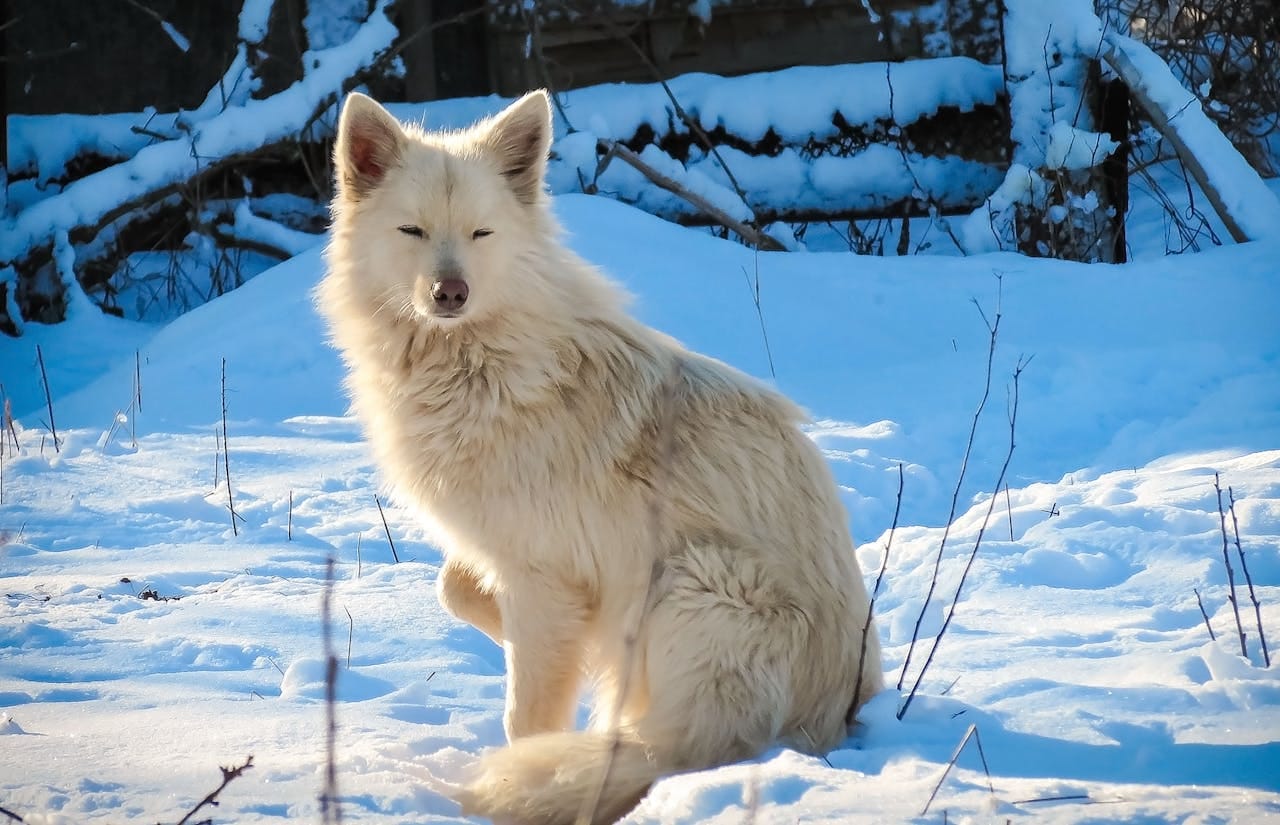
Dire wolf is no longer extinct. That sentence is both true and, depending on who you ask, deeply misleading. On April 7, 2025, Colossal Biosciences announced that three wolf pups named Romulus, Remus and Khaleesi were alive and growing in a secret 2,000-acre preserve somewhere in the United States. The company called them the world’s…
Who are you when everything changes?
The psychology of identity tells us that the self is not fixed. But nobody warns you what it actually feels like when it starts to shift. It is not a breakdown. It is not a crisis in the clinical sense. It is the quiet, persistent unsettledness of a person who no longer quite recognises the…
What marketing actually is (it is not what most people think)
What marketing actually is tends to get lost very early in the conversation. The textbooks arrive first. Segmentation. Targeting. Positioning. Brand equity. Consumer behaviour models arranged into frameworks with arrows pointing in tidy directions. And somewhere between the first framework and the fifth, the person trying to understand marketing loses the thread of the thing…
The drug that works like magic mushrooms but keeps you in the room
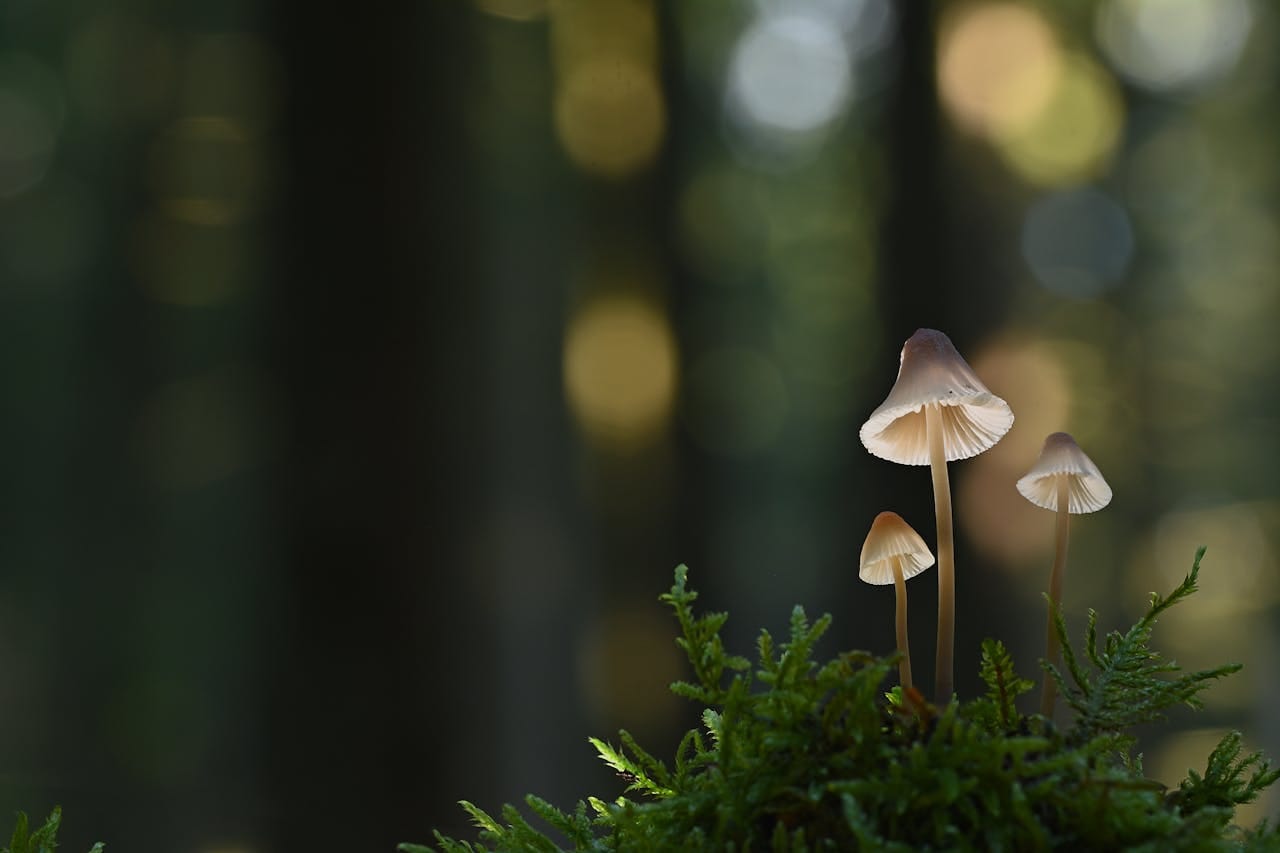
Psilocybin without hallucinations has been the goal of psychedelic medicine for most of the last decade. This week, for the first time, something that looks credibly like an answer arrived. On March 7, researchers published a study in the Journal of Medicinal Chemistry describing a chemically modified version of psilocin, the active compound your body…
Are night owls more sadistic? a new study says yes and the reason is fascinating
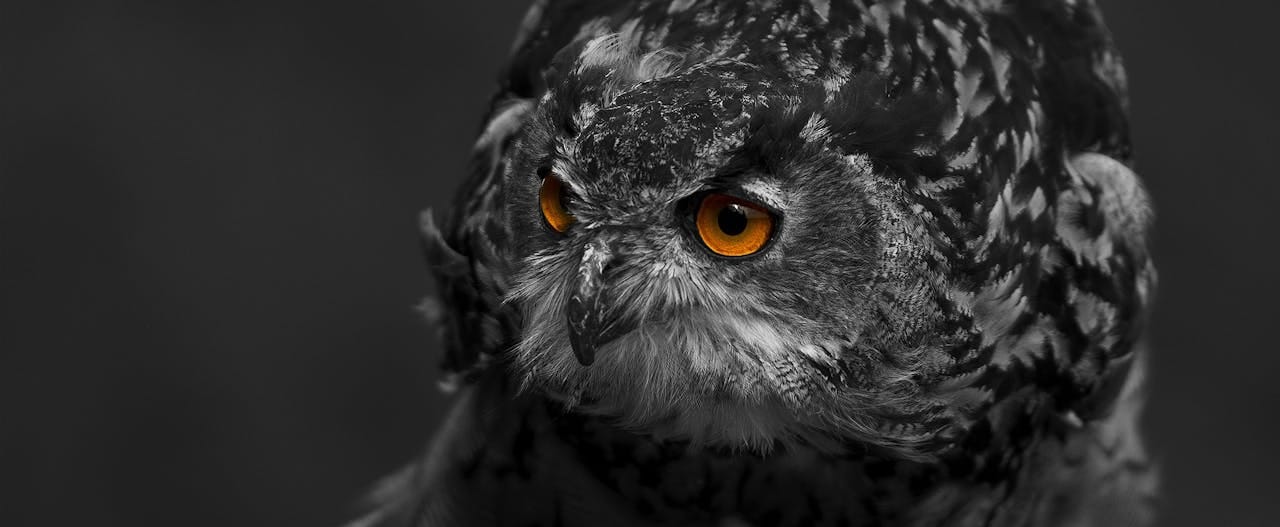
Are night owls more sadistic? It sounds like the kind of question designed to generate outrage clicks. It is also, as of December 2025, a question with a genuine scientific answer. The answer is yes. Measurably. Across two separate studies, using two different populations and two different methods. People who naturally prefer staying up late…
Does personality predict support for war? a new study has a disturbing answer
Does personality predict support for war? The question sounds abstract until the week it is published, which happened to be the same week missiles hit Tehran and three American soldiers came home in coffins. A study by researchers Alexander Yendell and David Herbert, published in the journal Politics and Governance, surveyed over a thousand people…
Kama is not what you think: desire as a sacred goal
Kama is the most misunderstood word in all of Hindu philosophy. Say it to most people and they think of one thing. The Kama Sutra. Dimly lit book covers. A manual for sexual acrobatics that someone’s aunt had hidden on a shelf. That is not what Kama means. It never was. Kama is the third…
Moral Fatigue: why good people stop caring online
Moral fatigue is not apathy. That distinction matters. The person who has stopped retweeting every crisis, stopped signing every petition, stopped feeling the same spike of outrage at the fifteenth injustice of the week that they felt at the first, is not a bad person who has stopped caring. They are a normal person whose…
Pretend play apes: the study that changed what it means to be human
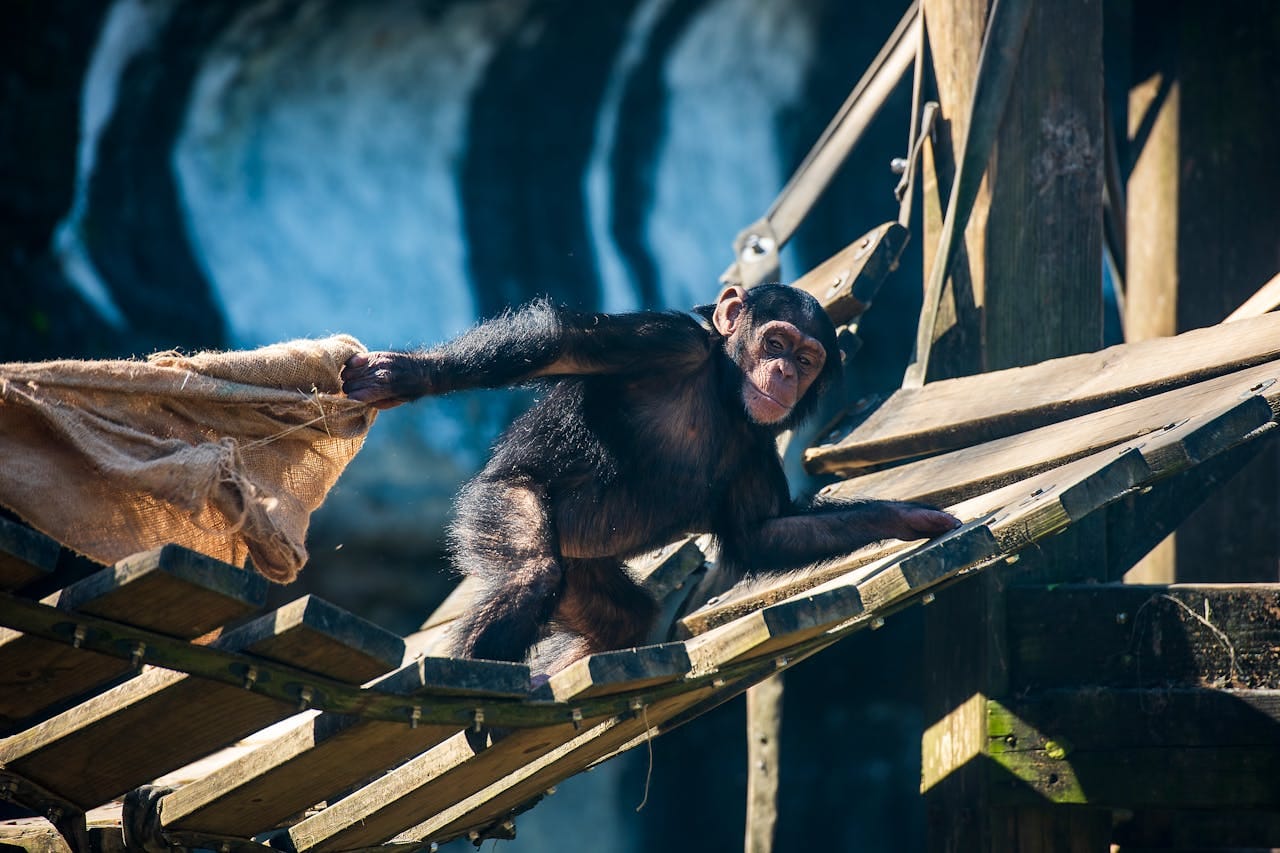
Pretend play apes. That sentence would have been scientifically controversial five years ago. It is now the conclusion of a peer-reviewed study published in the journal Science in February 2026. Researchers at Johns Hopkins University and the University of St Andrews set up a tea party with empty cups, an empty pitcher, and a bonobo…