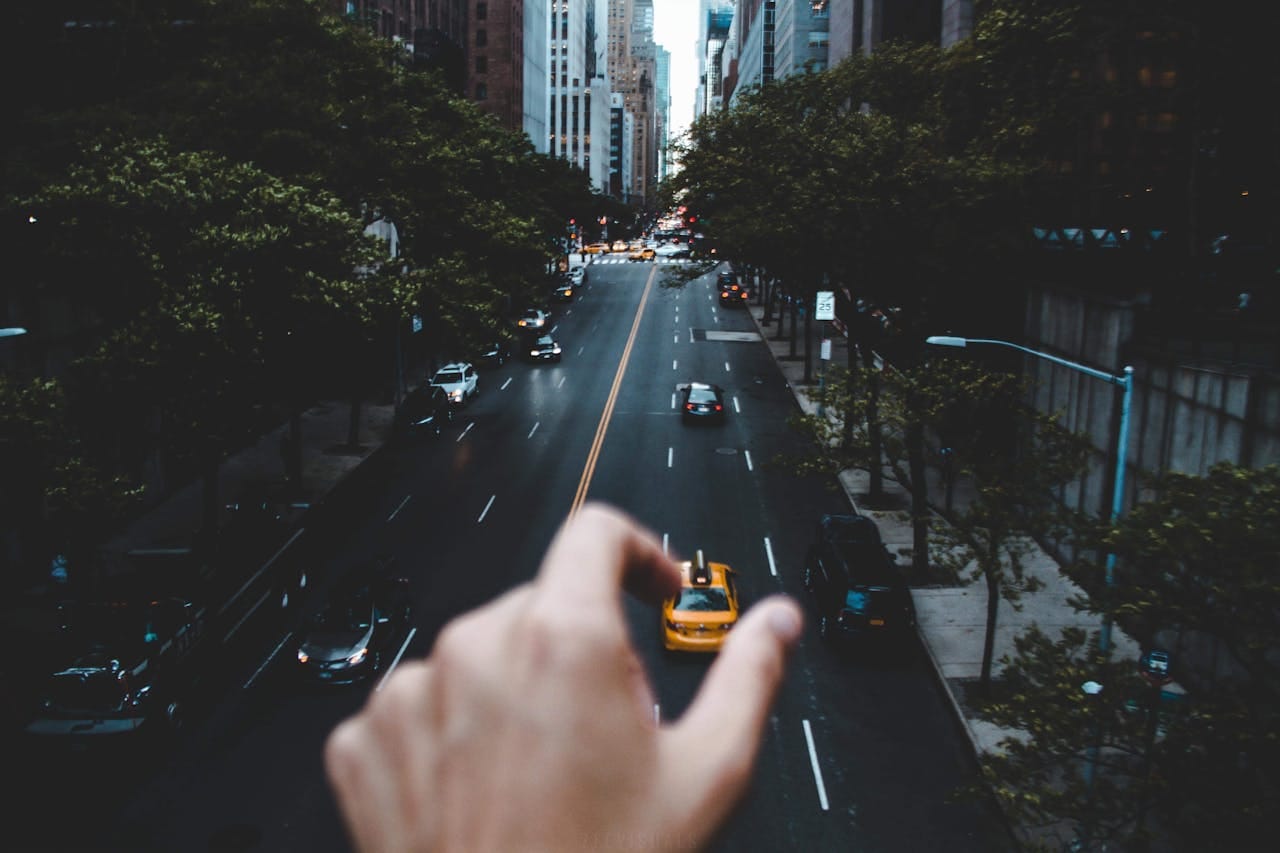
Bangkok night does not ease you in gently.
It arrives all at once. The expressway from the airport is elevated, so you see the city before you are inside it. Lights in every direction. Dense and continuous, like the city never decided where to stop.
I had been travelling for roughly fifteen hours. I opened the Grab app, confirmed the ride, and waited.
The car that pulled up was a BYD. New, black, immaculate. A large rectangular screen stretched across the entire dashboard, lit up like something from a film set ten years in the future. I got in and sat back and thought, this is not what I was expecting.
The driver noticed me noticing.
BYD number one in Thailand, she said. Not as a pitch. As a settled fact.
She was somewhere in her mid-forties. Well-spoken, warm, the kind of person who makes you feel immediately that the conversation is going to be worth having. Her English was precise and slightly formal in a way I could not place until she told me.
Movies, she said. I learned everything from movies. Too many movies.
She laughed. I laughed. Bangkok night opened up ahead of us and we moved into the traffic.
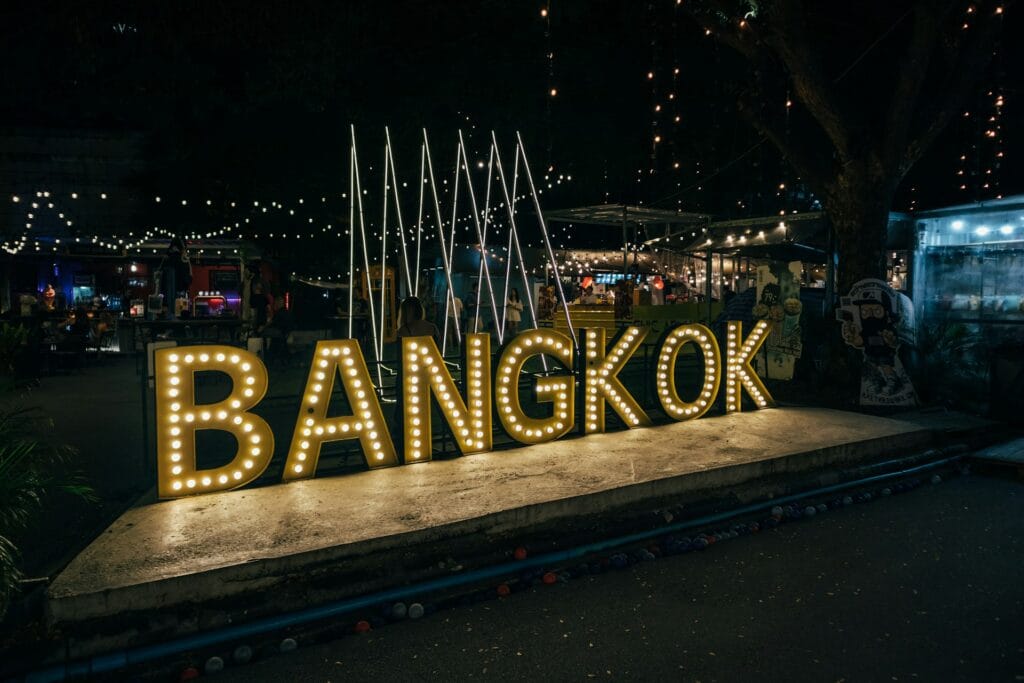
The First Thing She Said About Cambodia
Around fifteen minutes in she asked where I was planning to go after Bangkok.
I mentioned Cambodia. Angkor Wat.
She went quiet for a moment.
Cambodia, she said, is Scambodia.
She said it the way people say things they have said before and been right about every time. Flat, certain, not unkind.
She moved on to Myanmar. Said it was being misread. The people were rational, the country felt safer than the news suggested. Vietnam was fine, she said. Alright.
But Cambodia. She shook her head once and looked back at the road.
I had a ticket. I had a plan. I did not change either of them that night.
Three weeks later I was stopped at a Bangkok airport departure gate by an immigration officer who was not smiling. He sat me down and spent forty minutes asking me why I had chosen Cambodia specifically and not any other country.
It is a strange question to hear from a man in a uniform holding your passport.
I cooperated. I explained. I showed him everything.
Eventually he picked up his phone and searched Google. He turned the screen toward me. Two hundred and fifty Indians kidnapped and put into forced labour in Cambodia in a trafficking operation. He told me to be very careful. He said it the way people say things they mean.
I changed my plans.
Over the next three weeks every cab driver, every cafe owner, every person I stayed long enough to talk to, Cambodia came up the same way every time. The same tone. The same word. Scambodia. Consistent as a weather pattern.
Some warnings travel faster than any guidebook. In Southeast Asia, Cambodia had become one of them.
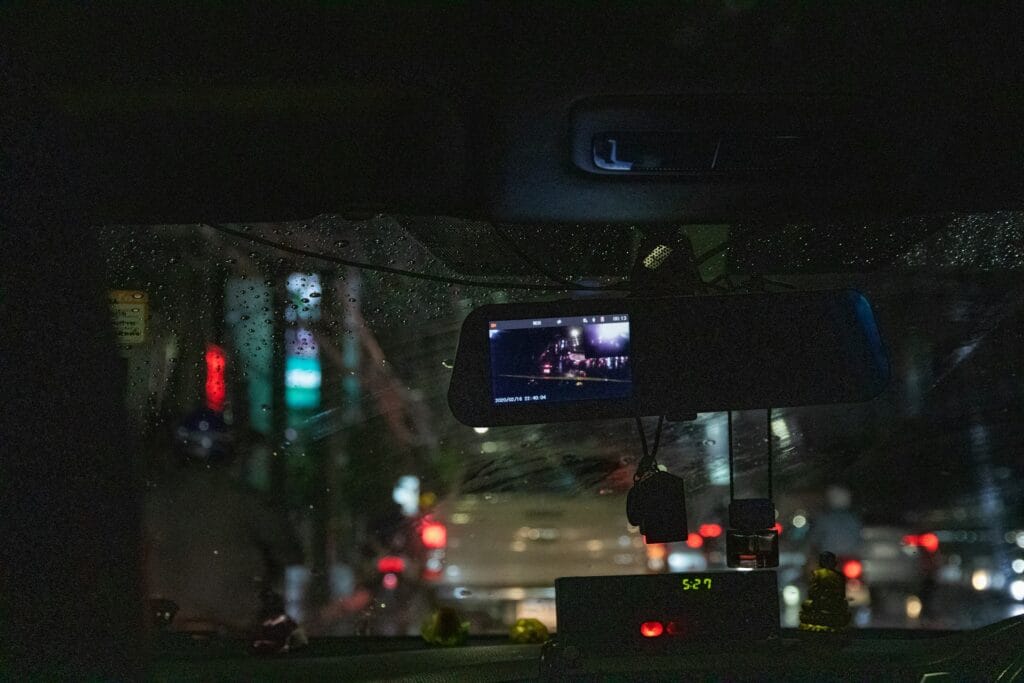
What London Looks Like From Bangkok
Somewhere around the forty-minute mark, the conversation shifted.
She asked where I was from. London, I said.
Her face changed in a specific way that I had started to recognise by then, having lived in London long enough to know what it looks like from the outside. A kind of brightness. A recalibration.
London, she said. She wanted to go to London. Had wanted to for years.
I asked her what she imagined it was like.
She described something I did not recognise. Grey and exciting and full of possibility. A place where things happened. A place that moved.
I did not tell her about the Northern line at 8am. I did not tell her about the rent. I did not tell her about the specific exhaustion of living somewhere that moves so fast it rarely stops to ask if you are keeping up.
I just said yes. London is something.
She nodded and looked back at the road.
Over the next three weeks I had versions of this conversation fifteen more times. Grab drivers, tuk tuk drivers, hotel staff, cafe owners, a man selling mango sticky rice outside a 7-Eleven at 2am. Different ages. Different parts of the city. Different levels of English.
All of them wanted to be in London. Or the US. Or Australia.
Not one of them said they were happy in Bangkok.
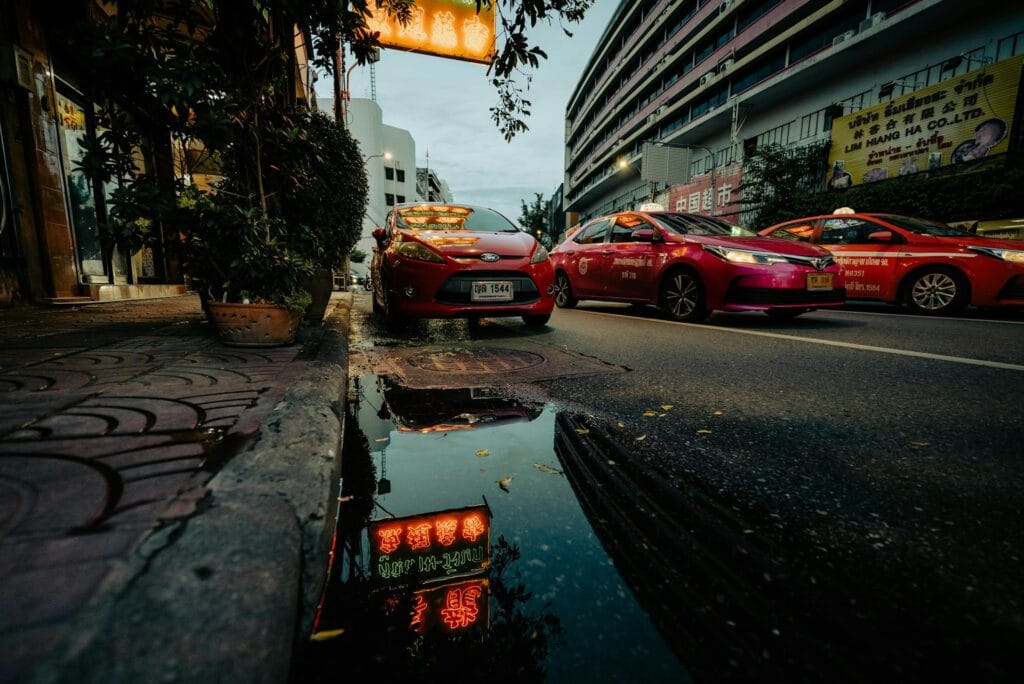
Bangkok Night Has Two Faces
The hotel was near Khao San Road.
I had seen photographs. The reality was something else. Crocodiles on sticks. Scorpions on sticks. Music at a volume that made thinking difficult. Neon that turned midnight into something closer to noon. Every possible thing happening at once, none of it apologising for itself.
I lived above it for several nights. Backpacker one day, Riverside the next.
The Riverside was twenty minutes away and felt like a different city. Wide, dark water. Boats moving slowly. The kind of quiet that only exists next to something very loud.
Bangkok night contains both of these things simultaneously and does not ask you to choose between them.
The people passing through the city saw both versions and found them extraordinary.
The people who lived there saw neither. They saw it the way you see the street you grew up on. Accurately and without romance.
The romance was mine. I had brought it with me from London.

The Pattern That Would Not Stop
I had heard this before Bangkok night introduced it to me.
In Montenegro, people with businesses and lives built there, cold and restless, wanting beaches they did not have. In Istanbul, residents who remembered the city before the construction, before the tourists settled in permanently. They wanted out.
In Manchester. In Sheffield. In parts of London itself.
Everyone somewhere they are not sure about. Everyone with a version of somewhere else in their head that has not yet disappointed them.
The tourist arrives wanting what the resident is tired of. The resident wants what the tourist came from.
This is not a Bangkok problem.
This is the oldest human problem. The belief that the coordinates are wrong. That the right place exists and you are simply not in it yet.
What the Ride Actually Taught Me
The lesson is not that travel is pointless.
It is not that home is always best or that wanting to be somewhere else means something is broken in you.
The lesson is simpler and more uncomfortable.
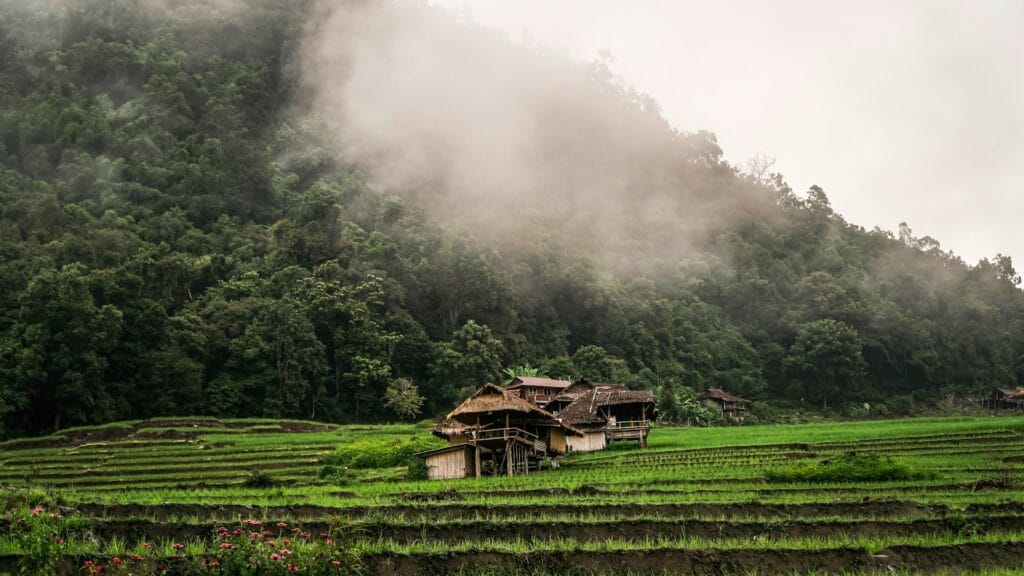
Unhappiness is rarely a location problem. You can move from Chiang Mai to Bangkok and feel the relief of it, and that relief is real, and it counts. But if the thing making you restless is internal, the new city gives you a few months before it starts to feel familiar. Before it becomes the place you want to leave.
The people who seemed most at ease, in Bangkok and everywhere else I have been, were not the ones who had found the right city. They were the ones who had stopped needing the city to be different.
That is harder to arrive at than any destination.
The traffic cleared around the ninety-minute mark. Bangkok night opened up. The hotel appeared on the left. She pulled over cleanly and turned around and smiled.
Good luck in Cambodia, she said.
Then she caught herself.
Be careful, she said instead.
I tipped her more than the app suggested. I did not go to Cambodia.
And I have not stopped thinking about that ride since.
Read Next: What I Learnt from a Teenage Boat Skipper in Montenegro
 Psychology · Oct 17, 2026A Monkey Bite Killed the King of Greece
 Psychology · Oct 15, 202615 Surprising Facts That Sound Completely Made Up
 The Margin · Oct 13, 202615 Geography Facts That Sound Completely Made Up