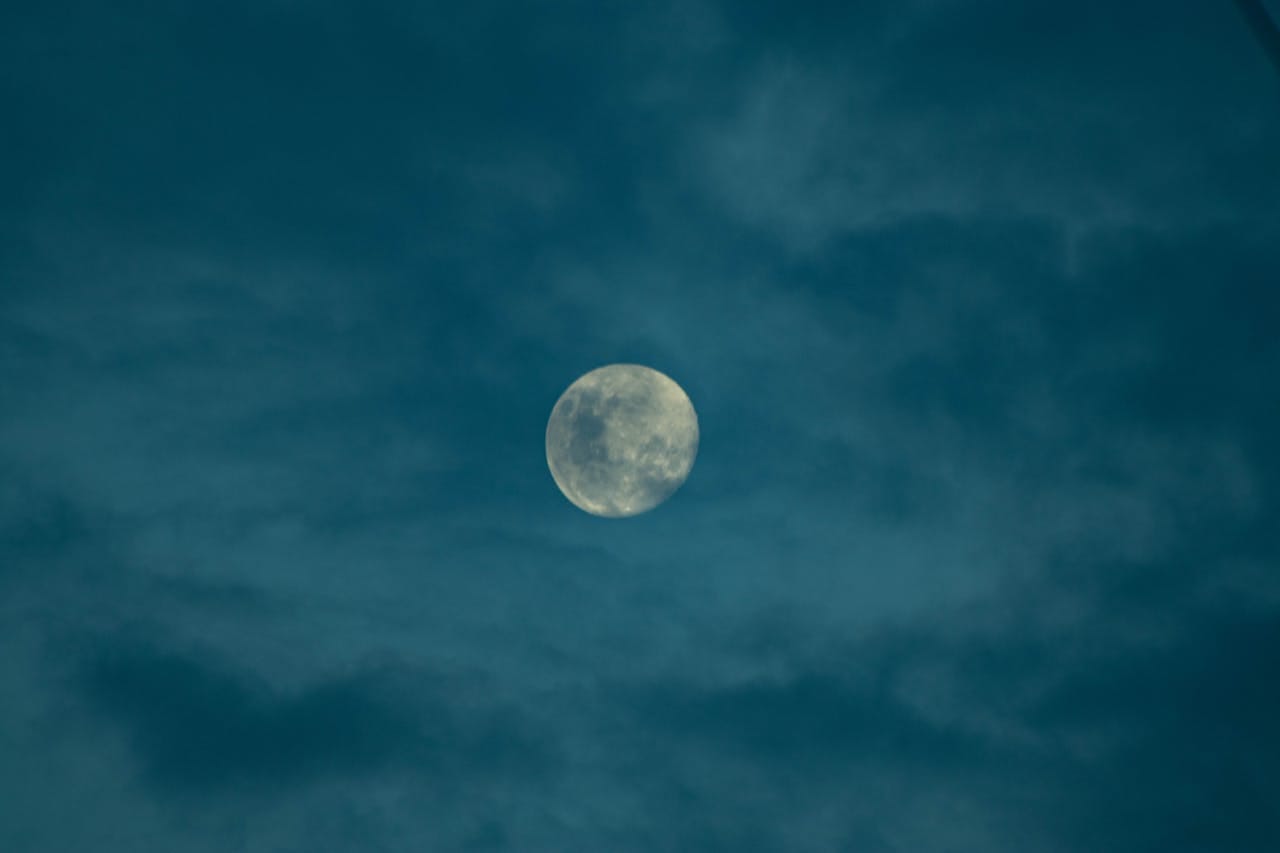
In 1980, Dennis Hope was unemployed, going through a divorce, and living in San Francisco.
He was not doing well.
So he did what any reasonable person would do in that situation. He claimed ownership of the Moon.
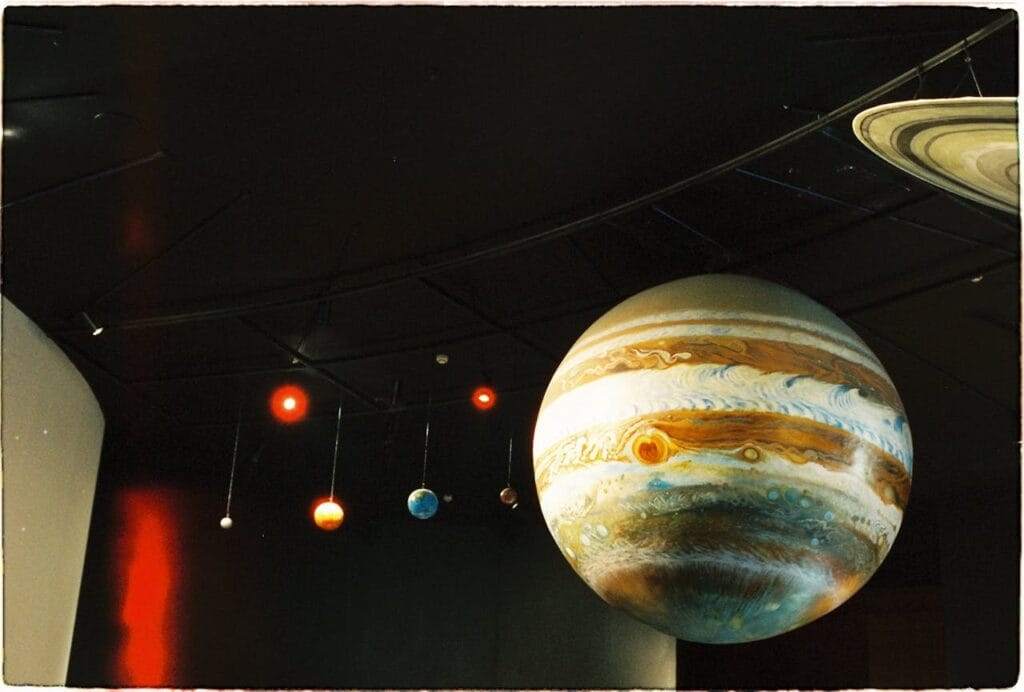
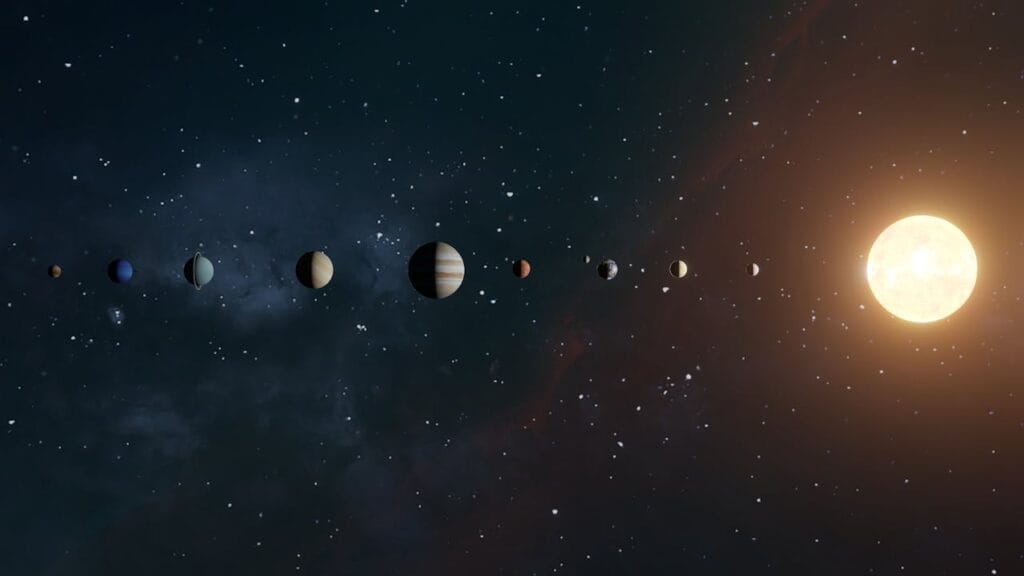
Then he claimed Mars. Then Mercury, Venus, Jupiter, Saturn, Uranus, Neptune, and Pluto, along with all their moons. Everything except Earth and the Sun.
He sent letters to the United Nations and the Soviet Union informing them of his decision.
Neither replied.
Dennis Hope interpreted the silence as tacit approval. He has been selling lunar real estate ever since.
The Loophole That Started Everything
The loophole is in Article II of the 1967 Outer Space Treaty. The treaty states that outer space is not subject to national appropriation by claim of sovereignty, by use or occupation, or by any other means. The key word is national.
Nations cannot own the Moon. The treaty says so clearly.
It says nothing about individuals.
Dennis Hope, recalling the Homestead Act of 1862 when the American West was being settled, went to his local US Government Office for claim registries at the San Francisco County Seat and filed a claim for the entire lunar surface, as well as the surfaces of the other planets and their moons.
He typed it up. He filed it. He sent the letters.
Then he waited.
Nothing came back. No rejection. No legal challenge. No government agency telling him to stop.
So he started selling.
Dennis Hope Moon Story
Today a deed for a one-acre plot, printed with the buyer’s name, sells online for $22.49 plus tax.
The deed looks official. It has a stamp. It has coordinates. It has the name of his company, Lunar Embassy, printed across the top.
Lunar Embassy has sold over 611 million acres on the Moon and 325 million acres on Mars, reaching customers in more than 190 countries. Buyers include Tom Cruise, Nicole Kidman, and three former US presidents, along with around 1,800 corporations including Hilton and Marriott.
Three former US presidents bought lunar real estate from a man who claimed to own the Moon with a typewriter and a filing fee.
This is real.
The Dennis Hope Moon business has generated over $12 million in sales. He has not had another job since 1995.

What the Lawyers Say
The legal position is straightforward and uniformly against him.
Tanja Masson-Zwaan, president of the International Institute of Space Law, has said bluntly that what Lunar Embassy is doing does not give people buying pieces of paper the right to ownership of the Moon.
Frans von der Dunk, another leading space law scholar, points to Article VI of the treaty, which makes governments responsible for the actions of their private citizens in space.
In other words, the loophole Hope found was not really a loophole. It was an oversight that the treaty’s authors never bothered to close because the idea of an individual claiming the Moon with a typewriter had not occurred to them.
The experts are clear. The deeds are worthless. No court would uphold them. No government recognises them.
And yet.
Nobody has taken Dennis Hope to court. No government has prosecuted him. No agency has told him to stop selling.
His claim for ownership was never actually rejected.

The Galactic Government
Here is where it gets stranger.
Dennis Hope did not stop at real estate. He established what he calls the Galactic Government, sending letters to other countries asking them not to trespass on the Moon without a license. He has been battling the International Monetary Fund for official recognition of his government’s currency, called the delta.
He is not joking. He has never been joking.
“The position of the Galactic Government is that we’re not trying to distance ourselves from other governments. We just want recognition so we can work together,” Hope has said. “We’re not hostile, not angry. We just want to be accepted.”
The IMF has not responded. The pattern holds.
The Dennis Hope Moon operation runs on the same principle as the original claim. If nobody officially says no, the answer is functionally yes.
Why This Actually Matters Now
In 1980, this was a curiosity. A broke man in San Francisco with an interesting idea and no legal standing.
In 2026, it is something more complicated.
As private companies prepare for commercial activity on the Moon, the question of who can build what and where has become genuinely urgent.
If you are building a lunar research station, the Outer Space Treaty has provisions for scientific use. But what about a hotel? There is nobody who has the authority to say yes or no to that.
SpaceX, Blue Origin, and various national space agencies are all making plans that involve the Moon in the next decade. The legal framework for who owns what up there remains, as it was in 1980, genuinely unresolved.
A separate 1979 treaty called the Moon Agreement sets up a framework for managing the Moon’s natural resources. It has been ratified by just 13 countries, none of which are major spacefaring nations.
Dennis Hope Moon ownership is legally worthless. But the question it pointed at, who decides what happens up there, has never been more relevant.
He asked it first. With a typewriter. In 1980. When he had nothing else to do.
The Moon has not been the same conversation since.
Read Next: What I Learnt from a Grab Driver in Bangkok
Dronacharya and Arjuna: Why He Chose a Student over His Own Son
Fujifilm Instax Mini Review: Beautiful Camera, Terrible Odds



 Psychology · Oct 17, 2026A Monkey Bite Killed the King of Greece
 Psychology · Oct 15, 202615 Surprising Facts That Sound Completely Made Up
 The Margin · Oct 13, 202615 Geography Facts That Sound Completely Made Up