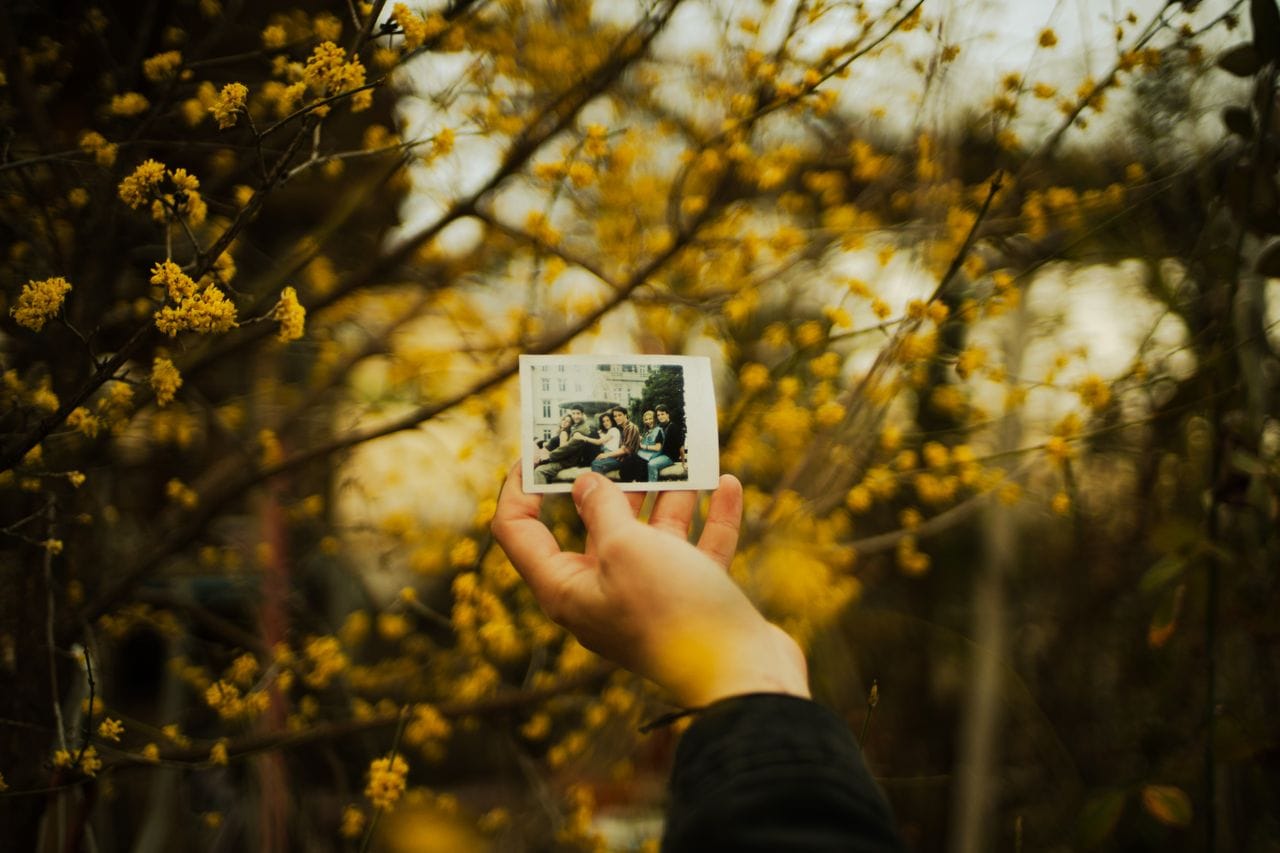
Why do we miss places we once couldn’t wait to leave?
There is probably a street somewhere that means almost nothing to anyone else.
No famous building. No historic plaque. Nothing happened there that would ever make the news. Maybe there was a grocery shop at one end, a pharmacy across the road, a few apartment buildings and one car that always seemed to be parked badly in exactly the same place.
You might not have thought about that street for years.
Then a song comes on. The weather feels familiar. Or you open Google Maps looking for something completely unrelated and, ten minutes later, somehow find yourself back there.
You zoom in.
The street is still there.
And annoyingly, you still remember exactly how to get home.
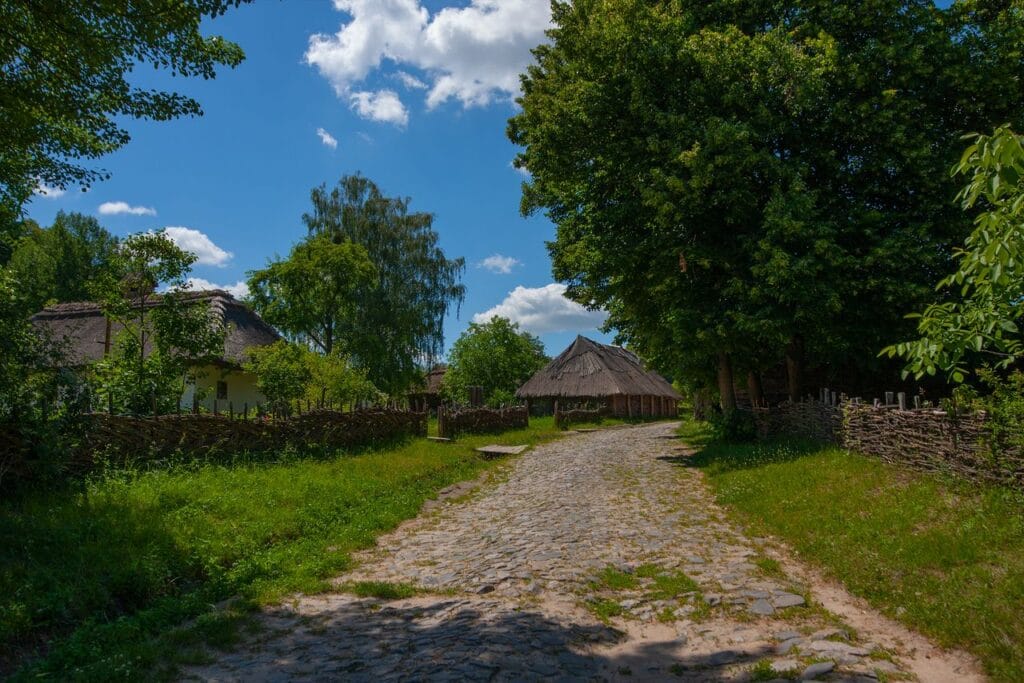
You Remember Much Less Than You Think
Memory is strange about places.
You may have forgotten entire months of your life there, but still remember which shop stayed open late.
You remember the shortcut.
The broken bit of pavement.
The place where rainwater always collected.
The corner where you had to cross because the other side was easier.
You probably cannot remember what you did on an ordinary Wednesday in October.
But put yourself back on that street and your brain suddenly becomes very useful.
Turn left here.
Straight past the shop.
Across the junction.
Second building.
It feels like useless information until you remember that, for a while, it was not useless at all.
It was how you moved through your life.
You did not need directions because the place had become part of you.

We Don’t Really Remember Streets
We remember what happened around them.
That cafe is not memorable because the coffee was exceptional. It is memorable because you spent too many evenings there.
That corner is where you waited for someone.
That supermarket is where you went when you realised at 9:45 p.m. that there was nothing to eat at home.
That stretch of road is where you made phone calls after work.
None of it felt important while it was happening.
That may be why it stays.
The moments we deliberately try to remember are usually birthdays, trips, graduations, weddings and big decisions.
But most of life is not made of those things.
Most of life is buying milk.
Walking home.
Waiting for buses.
Taking the same route for the hundredth time.
Knowing which door sticks.
Knowing which neighbour will complain.
Knowing how long the walk takes without ever checking.
Then one day the routine ends, and all that background becomes a memory.

Google Maps Has Made Nostalgia Much Stranger
Before Street View, an old neighbourhood could slowly become whatever you remembered.
Now you can inspect it.
This is rarely a good idea.
You drop yourself onto the old road and immediately notice something wrong.
The restaurant is gone.
The building has been painted.
Someone built apartments on the empty plot.
The enormous tree you remember is considerably less enormous than expected.
And somebody replaced the gate.
For some reason, the gate bothers you.
You have no legal, emotional or reasonable claim over this gate anymore.
Still, you preferred the old one.
Then you keep clicking.
There is the building.
Different car outside.
Different curtains.
Maybe somebody has put plants on the balcony.
You are now staring at another person’s completely normal home because, ten years ago, it happened to be yours.
It is a very strange thing technology allows us to do.
Go back somewhere without actually going back.
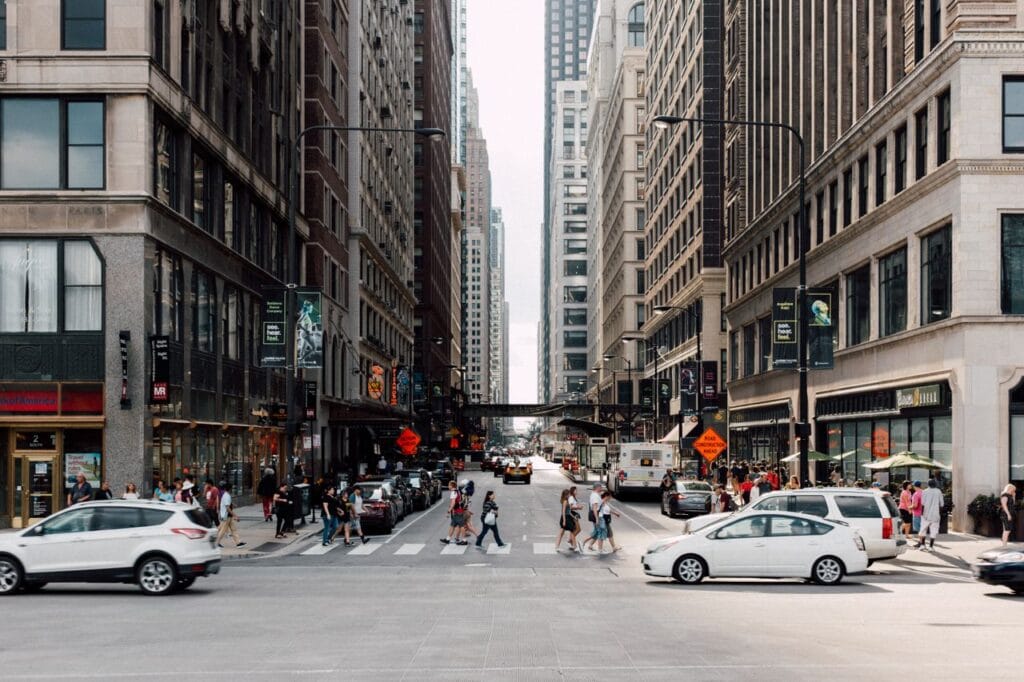
Most Places Never Get a Proper Goodbye
People sometimes get goodbyes.
Jobs occasionally do.
Cities can.
Streets usually don’t.
Think about the last place you lived before moving somewhere else.
You probably did not spend the final night walking around carefully memorising everything.
You were packing.
Looking for tape.
Throwing things away.
Checking cupboards.
Arguing with a suitcase.
Trying to work out whether the landlord was going to invent a reason to keep part of the deposit.
The last trip to the local shop probably felt exactly like every other trip.
You did not know you were supposed to remember it.
There was a last time you opened that front door without knowing it was the last time.
A last walk home.
A last complaint about the traffic.
A last time you looked out of that particular window.
Then your address changed.
The street carried on.
Your part in it stopped.
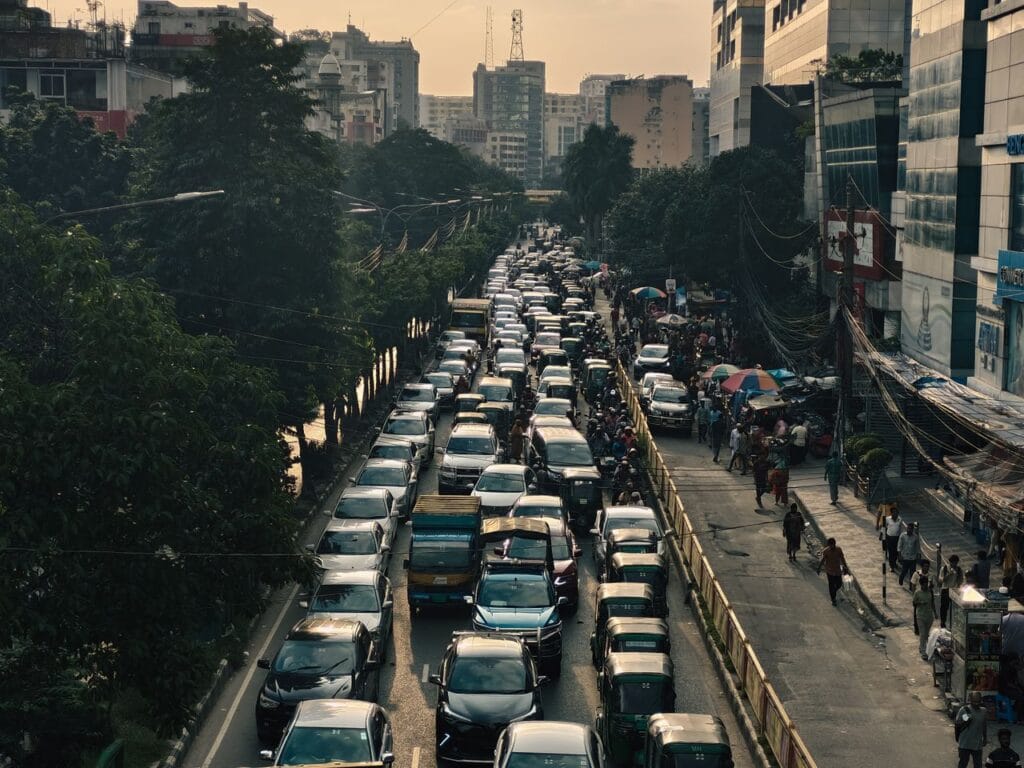
Missing a Place Does Not Mean You Were Happy There
This is where nostalgia lies a little.
We sometimes miss places we spent years complaining about.
A terrible flat.
A boring town.
A university street where we were permanently broke.
A commute we hated every morning.
A neighbourhood we were desperate to leave.
Then enough time passes and something softens.
You remember the bakery.
The evening light.
The walk home.
The man in the shop who eventually stopped asking what you wanted because he already knew.
That does not mean the place was secretly wonderful.
You may have had excellent reasons for leaving.
Sometimes what you miss is not the place itself.
There is a comfort in familiarity that is almost impossible to notice while you have it.
You knew where everything was.
You knew what the street sounded like at night.
You knew how long the journey took.
You knew where to get food when everything else was closed.
For a short period of your life, one tiny part of an enormous world required almost no effort to understand.
That is easy to miss later.
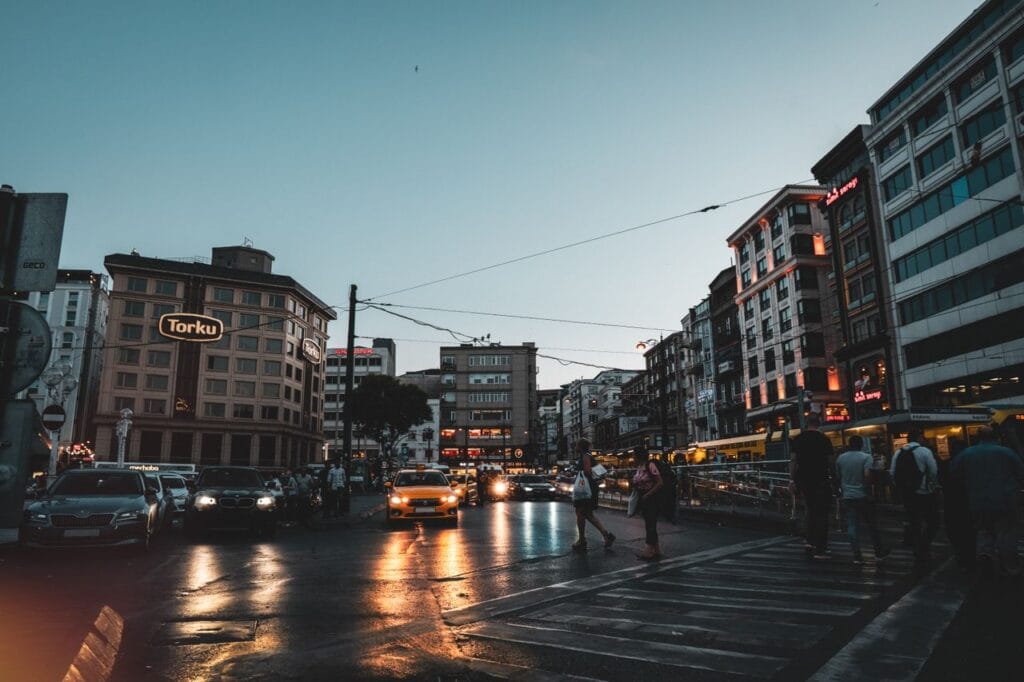
Someone Else Knows Your Old Life Now
This may be the strangest part of looking at an old home.
Somebody else has inherited all the boring knowledge.
They know which cupboard door does not close properly.
They know when sunlight reaches the bedroom.
They know the shortcut.
They know the neighbour.
They know what the street sounds like at six in the morning.
Someone could be sitting in your old bedroom right now worrying about something that has absolutely nothing to do with you.
Your important place has become their ordinary place.
Which is exactly what it was before you arrived.
Places are very good at continuing without us.
We move in, learn them, attach memories to them and eventually stop noticing them.
Then we leave.
Someone else arrives and starts the whole process again.
The bakery is just a bakery.
The road is just the way home.
The strange corner is just the corner.
Until one day it isn’t.
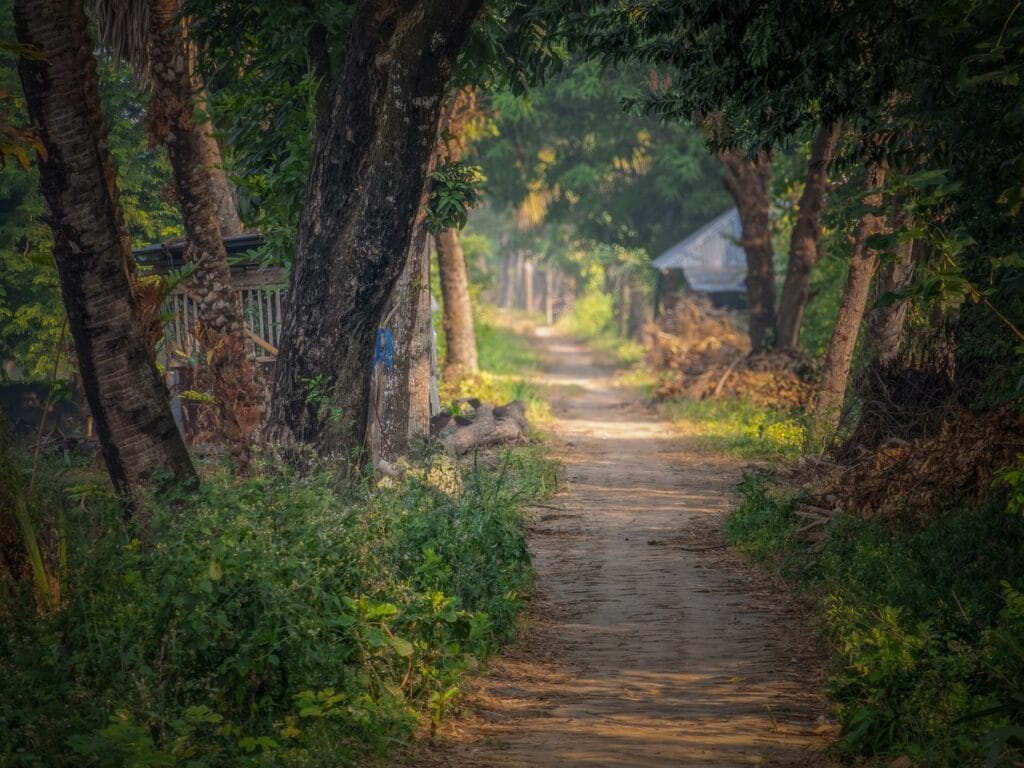
Why Do We Miss Places From Our Past?
Psychologists have long treated memory as something connected to context.
Places give memories somewhere to sit.
A smell, a building, a road or even the shape of a room can bring back things that seemed completely inaccessible a moment earlier.
That is partly why returning somewhere old can feel so sudden.
You are not only recognising the place.
The place is giving you clues about yourself.
The person you were there.
The routines you had.
The people you knew.
The things you worried about before today’s worries existed.
This is why nostalgia for places can feel surprisingly strong even when the place itself was ordinary.
Sometimes we do not miss the street.
We miss the version of ourselves who knew exactly where that street led.

The Street Is Still There
That may be why ordinary places stay with us longer than expected.
Not because anything extraordinary happened there.
Usually nothing did.
They mattered because life happened there while we were busy doing something else.
The boring Tuesdays.
The grocery runs.
The walks home.
The conversations that seemed forgettable.
The weather.
The errands.
The tiny period of time when one particular group of streets formed the edges of your normal world.
Eventually it becomes difficult to separate the place from the person you were while living there.
You can move countries.
Forget names.
Forget dates.
Forget huge parts of those years.
Then someone shows you the right corner.
And immediately, without thinking about it, you know which way to turn.
Read Next: You Walked into a Room and Something Shifted.


 Psychology · Oct 17, 2026A Monkey Bite Killed the King of Greece
 Psychology · Oct 15, 202615 Surprising Facts That Sound Completely Made Up
 The Margin · Oct 13, 202615 Geography Facts That Sound Completely Made Up