There is a word you already know.
You know it the way most people know it. As something charged. Something that requires a lowered voice or a knowing look.
Something that sits in the imagination alongside incense and candlelight and the particular silence of a room where two people have decided to stop talking.
The word is Kama.
And almost everything you think you know about it is wrong.
Not wrong in a corrective, academic way. Wrong in the way that happens when something vast and intricate gets reduced, over centuries, to its most obvious surface. When a river gets mistaken for a puddle because someone only ever showed you the puddle.
What is Kama, what it always was, is so much larger than what it became in the popular imagination that understanding it feels less like learning something new and more like remembering something you forgot.
The Phenomenon of the Mind
Vatsyayana wrote the Kamasutra somewhere between the third and fifth century CE.
He was not writing a manual. He was writing a philosophy. The distinction matters enormously.
He defined Kama in a single phrase that has been sitting quietly in Sanskrit for seventeen hundred years, waiting for someone to read it carefully. Kama, he said, is a manasa vyapara. A phenomenon of the mind.
Not of the body. Of the mind.
He went further. Kama is what happens when the senses, the ear, the skin, the eye, the tongue, the nose, encounter the world and find something in it that calls to them. Something that draws them forward. That makes the mind lean toward it.
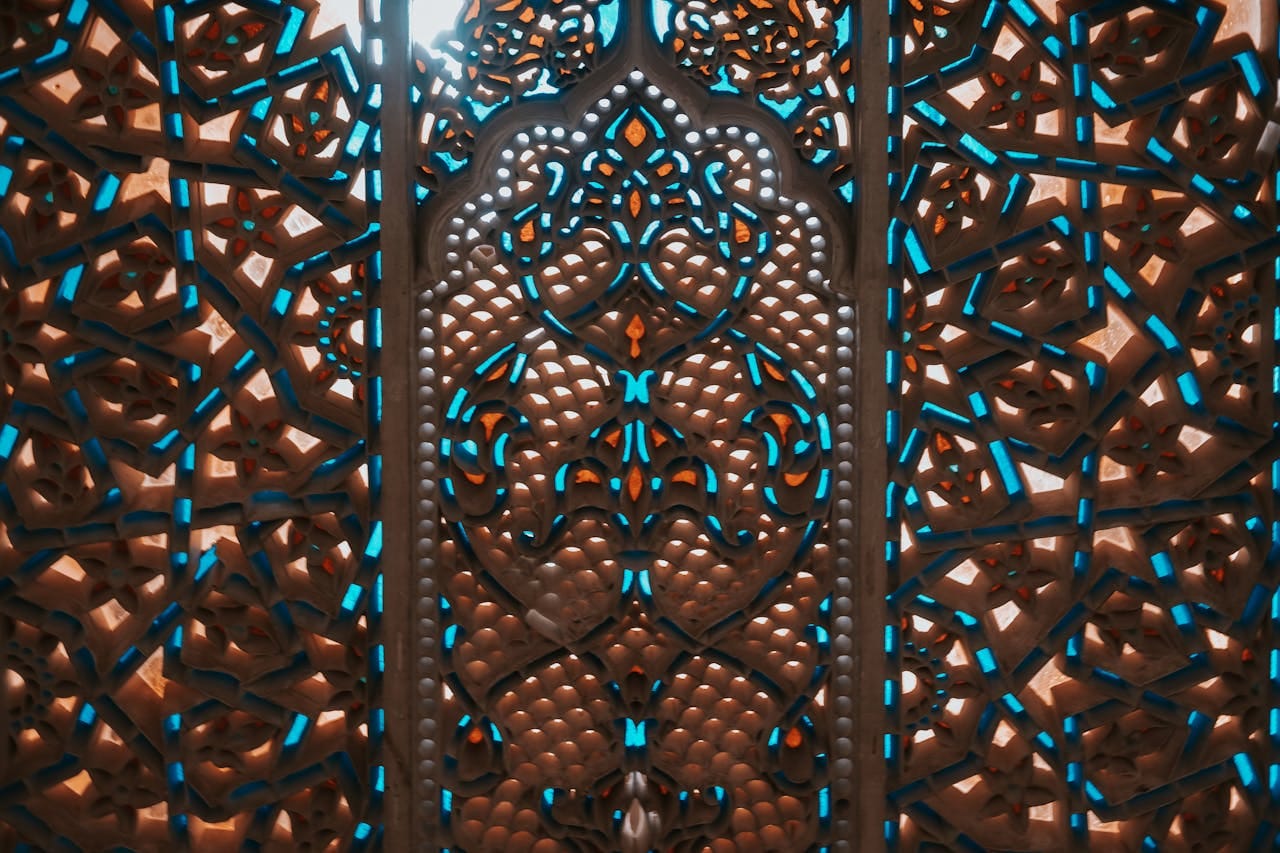
Harmonious music is Kama. So is the particular quality of late afternoon light falling across a wooden floor. So is the smell of rain on dry earth. The texture of a mango pulled apart with your hands.
A sentence in a book that makes you put the book down and look at the wall for a moment.
Pleasure is not what happens to your body. It is what happens when your mind and the world briefly, perfectly, align.
This is the first secret. Kama was never only about sex. It was about every doorway through which beauty enters a human life.
The Seven Books Nobody Mentions
The Kamasutra is divided into seven books.
One of them is about physical intimacy.
One.
The other six are about the art of living well. How to cultivate a home that pleases the senses. How to understand the nature of desire in yourself and in others. How to find a partner whose depths match your own.
How to maintain love over time, which is the harder art, the one that requires everything the early stages do not. How to understand what you want before you pursue it.
The text that the world reduced to a picture book of positions was, in its original form, a comprehensive guide to the question of how a person might move through their one life with their senses fully open.
Vatsyayana listed sixty-four arts through which Kama could be cultivated. Music. Poetry. Drawing. Cooking. The preparation of perfumes. The arrangement of flowers. The art of conversation. The practice of games.
The ability to solve riddles. Teaching parrots to speak, which appears in the list and which Vatsyayana presumably included because someone, somewhere, found it genuinely delightful.
All of these are Kama. All of them are the deliberate cultivation of pleasure in its broadest sense.
He was not teaching people to be hedonists. He was teaching them to be alive.
Why Your Religion Made You Afraid of It
Somewhere along the way, a large portion of the world decided that pleasure was dangerous.
That the body was suspect. That desire was a doorway to chaos. That the senses, if given an inch, would take everything and leave nothing standing. The Protestant tradition built an entire theology around the suppression of enjoyment.
Victorian England exported this theology to every corner of the empire it touched. Pleasure became something to be earned, limited, justified, apologised for.
This is not the world Vatsyayana was writing in.
In Hindu philosophy, Kama is one of the four Purusharthas. The four proper goals of a human life. Not four options, not four things some people pursue and others wisely avoid. Four proper goals. Dharma. Artha. Kama. Moksha.
A life without any one of them is not a complete life. It is a life with something missing.
A life devoid of pleasure and enjoyment, sexual, artistic, or of nature, is hollow and empty.
Vatsyayana wrote that. Then he compared the situation to farming. You do not stop planting crops because deer exist and might eat them. The risk is real.
You farm anyway. With care, with attention, with full awareness of what the deer can do. You do not surrender the harvest to fear.
The same principle applies to pleasure. The fact that desire can become obsession, that hunger can become destruction, that Kama unanchored from Dharma can spiral into chaos, none of this is a reason to stop pursuing pleasure.
It is a reason to pursue it thoughtfully.

What It Feels Like When You Get It Right
You have had this experience.
Not necessarily the one that comes to mind first. The other kind.
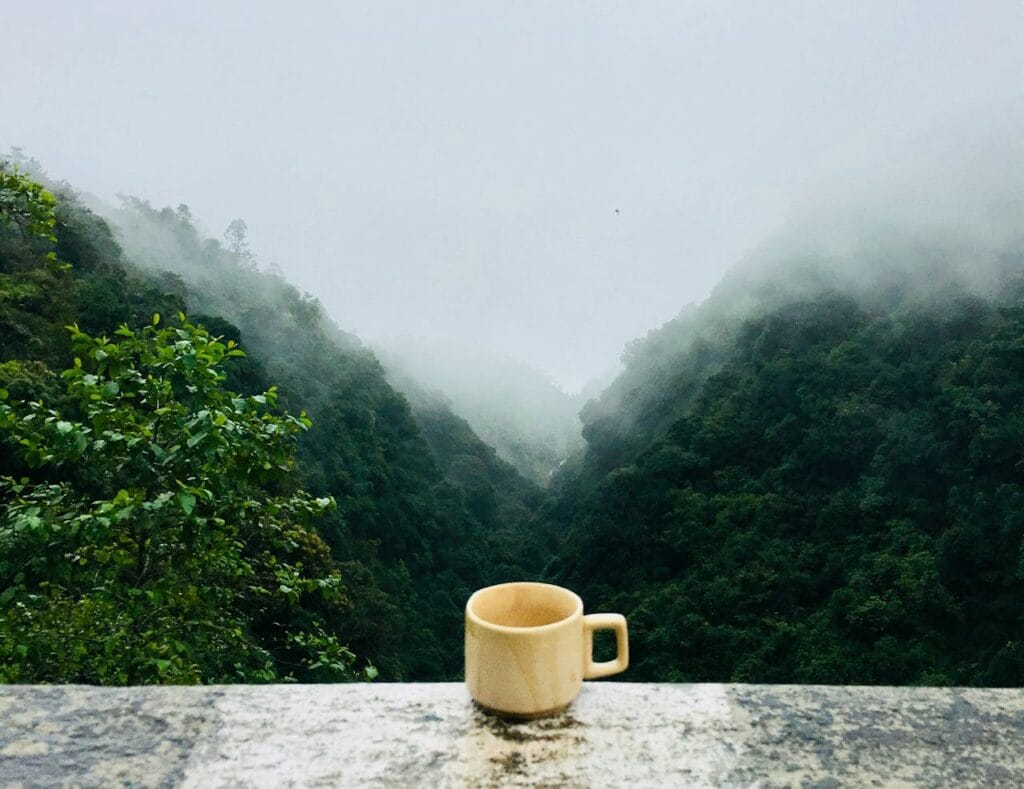
A meal eaten slowly, with attention, in good company, when everything about it was exactly right. The first cold glass of water on a very hot day. A piece of music that arrived at exactly the moment your life needed it.
A conversation that went on past midnight because neither person wanted it to end. A landscape seen at dusk that made you stop the car.
These are not small things. They are not guilty pleasures. They are not treats to be rationed or earned or justified.
They are your senses doing exactly what they were made to do. Meeting the world and finding it good.
The ancient teachers did not say: suppress this. They said: do not confuse this with the whole map.
Kama is the first Purushartha not because it is the least important but because it is the most immediately present. It does not require philosophy or discipline or renunciation. It requires only that you are alive and paying attention.
The question is whether you are paying attention. Whether you are in the room when the late afternoon light falls across the floor, or whether you are somewhere else entirely, thinking about what you need to do tomorrow.

The Sense That Gets Forgotten
Of the five senses Vatsyayana names as doorways to Kama, the one most people underestimate is hearing.
Touch makes sense as a carrier of pleasure. Taste is obvious. Sight is the dominant sense in most people’s conscious experience. Smell is the one with the most direct line to memory.
But hearing is the sense that lets something enter you without your permission.
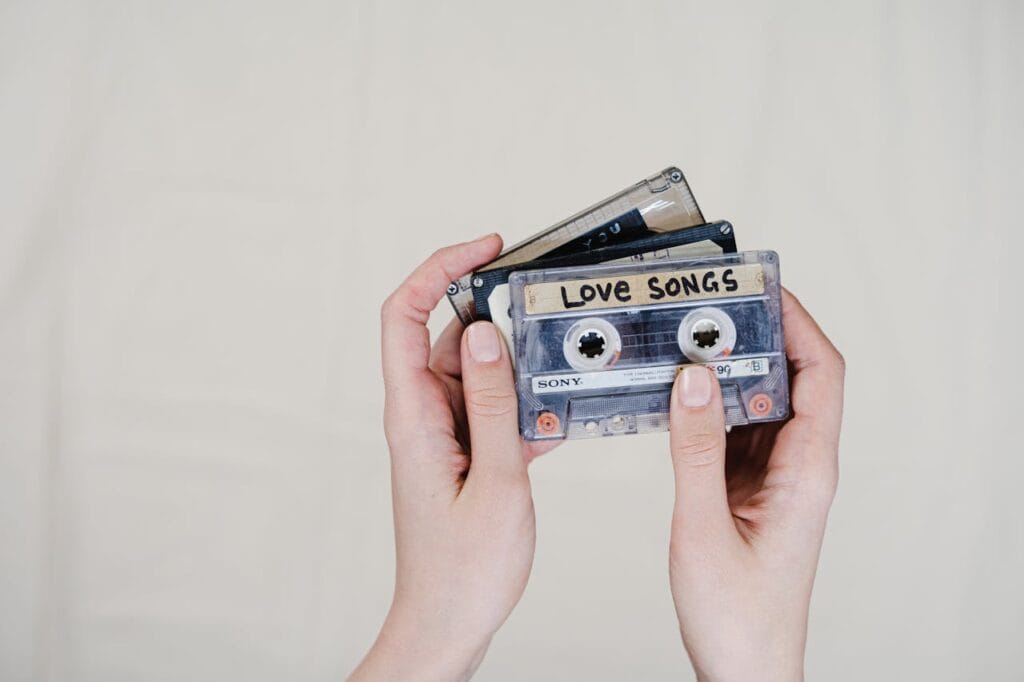
A piece of music does not ask whether you are ready. It begins and you are already inside it before you have decided to be. This is why certain songs from certain years do not merely remind you of a time.
They return you to it. The sound carries more than information. It carries the specific quality of a moment in your body.
Vatsyayana understood this. He included music not as a pleasant background to the other pleasures but as a primary channel. As Kama in its own right. The harmonious arrangement of sound as a genuine encounter with beauty.
There is a reason humans have been making music since before recorded history. Kama does not need explaining. It just needs remembering.
The One Seventh
Here is the thing about the part of the Kamasutra that everyone knows.
It is in there. One seventh of the text. Not absent, not minimised, not apologised for. Present, detailed, and treated with the same seriousness as the other six books. Because physical intimacy is also Kama.
It is also a doorway through which beauty enters a human life. It also requires cultivation, attention, understanding of the other person, awareness of your own desires and theirs.
What Vatsyayana refused to do was treat it as the only doorway. Or the primary one. Or the one that defined everything else.
The culture that reduced the entire text to that one seventh was not more honest about pleasure than the culture that produced it. It was less honest. It took one thread from a tapestry and called it the whole work.
The whole work is about this: you are alive, you have senses, the world is full of things worth encountering with those senses, and the art of living well is partly the art of learning to encounter them fully and without apology.
That is what Kama is.
That is what it always was.
You already knew it. You have been living it, in fragments, in the moments that felt most alive, in the meals and the music and the late conversations and the light on the floor.
You just did not have a word for it that sounded like permission.
Now you do.
Read next: What Is Dharma? The Profound Truth the Mahabharata Reveals · What is Moksha in Hinduism and why it is so difficult to attain?

 Psychology · Sep 22, 2026Chimpanzees Have Accents. They Grow into Them.
 The Margin · Sep 17, 2026People Are Seeing Ads in Their Dreams.
 Slow Meridian · Sep 16, 2026Autumn Leaves